
Understanding Insulin Resistance: Building Habits for Long-Term Health
Insulin resistance is a condition where your body’s cells fail to respond effectively to insulin, the hormone that regulates blood sugar. Left unmanaged, it can lead to type 2 diabetes, obesity, and other health issues. But the good news is that with the right habits and informed choices, you can reverse it naturally.
As a nutritionist, I believe in educating you to make sustainable choices that align with your lifestyle, rather than relying on restrictive diet charts. Let’s explore what insulin resistance is, why it happens, and how you can take control of your health.
What Is Insulin Resistance?
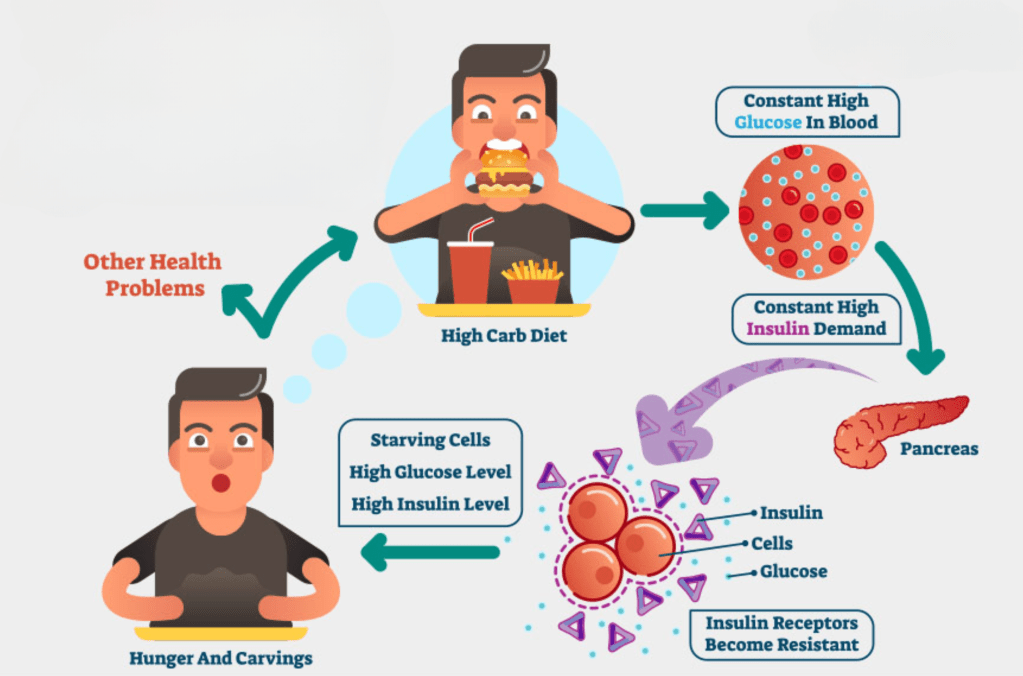
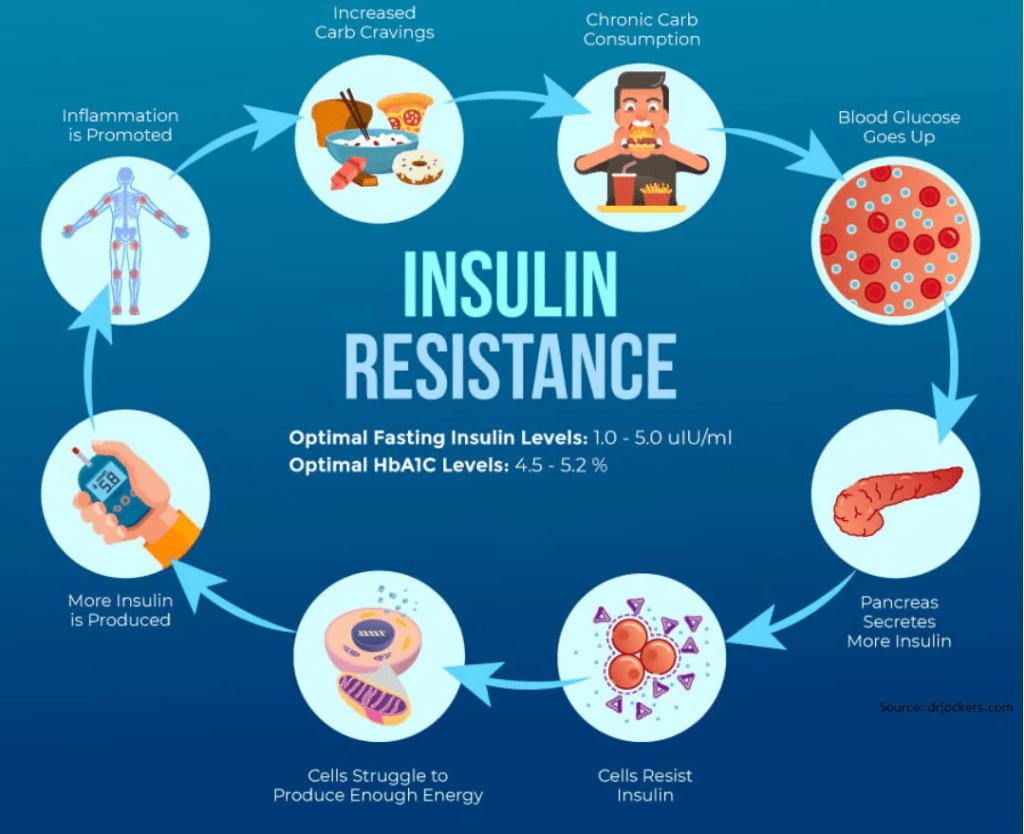
Insulin acts as a key, allowing glucose (your body’s energy source) to enter your cells. When your cells stop responding effectively, your pancreas produces more insulin to compensate. Over time, this imbalance can lead to high blood sugar, weight gain, and eventually, type 2 diabetes.

What Causes Insulin Resistance?
Several factors contribute to insulin resistance, including:
1. Unhealthy Diet: High consumption of refined carbs, sugars, and processed foods.
2. Inactivity: Lack of movement reduces your body’s ability to use glucose.
3. Stress and Poor Sleep: Chronic stress and disrupted sleep elevate cortisol, interfering with insulin.
4. Excess Weight: Especially fat around the abdomen, which affects insulin signaling.
5. Hormonal Imbalances: Conditions like PCOS can worsen resistance.
How to Manage Insulin Resistance
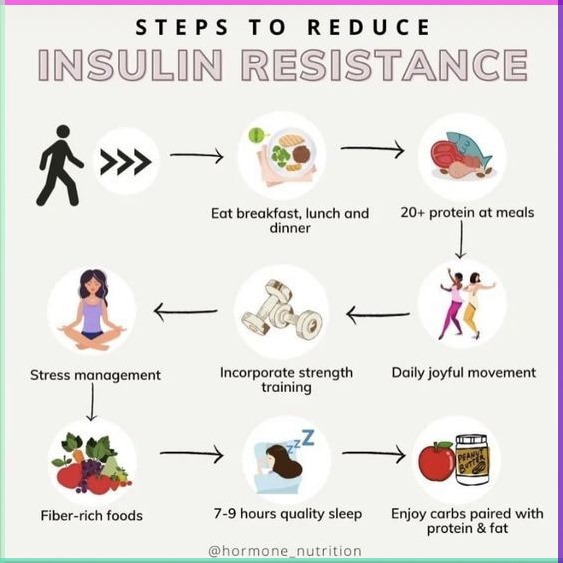
Managing insulin resistance isn’t about temporary diets—it’s about creating habits that last a lifetime. Here’s how:
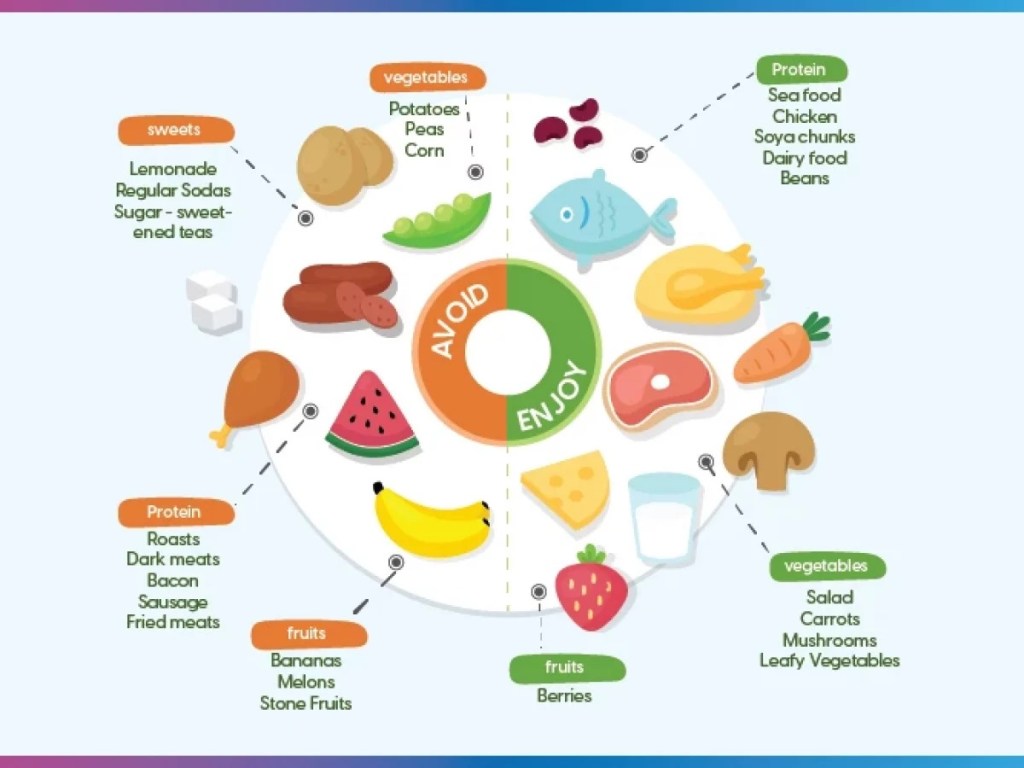
- Focus on Whole Foods
• Include vegetables, whole grains, legumes, lean proteins, and healthy fats in your meals.
• Swap refined carbs for low-glycemic options like quinoa, oats, and sweet potatoes. - Move More
• Aim for 30 minutes of daily activity, such as walking, yoga, or strength training. - Manage Stress
• Practice mindfulness, deep breathing, or journaling to reduce cortisol levels. - Prioritize Sleep
• Establish a consistent bedtime routine for 7–8 hours of quality sleep. - Educate Yourself
Understanding how food, exercise, and lifestyle impact your insulin sensitivity empowers you to make better choices
How I Can Help as Your Nutritionist
As someone who focuses on building habits over strict rules, I help clients take small, consistent steps toward lasting health. Here’s what working with me looks like:
1. Personalized Guidance: I create plans tailored to your lifestyle, preferences, and goals.
2. Habit Building: Together, we’ll build sustainable habits like balanced eating, portion control, and regular activity.
3. Education-First Approach: I’ll teach you how to make informed choices so you’re empowered for life.
4. Holistic Support: From stress management to sleep optimization, I guide you every step of the way.

Take the First Step
Insulin resistance is reversible with the right approach. Start making small changes today for big health benefits tomorrow. If you’re ready to embrace sustainable habits and achieve long-term health, let’s work together!
Discover actionable steps to manage insulin resistance without strict diets. Build habits for lasting health with expert tips from a certified nutritionist. Add things like this wherever you feel
Ready to take control of your health? Book a consultation today and let’s build a plan that works for you.
Your journey to health starts here
 Chubby to Chiseled