
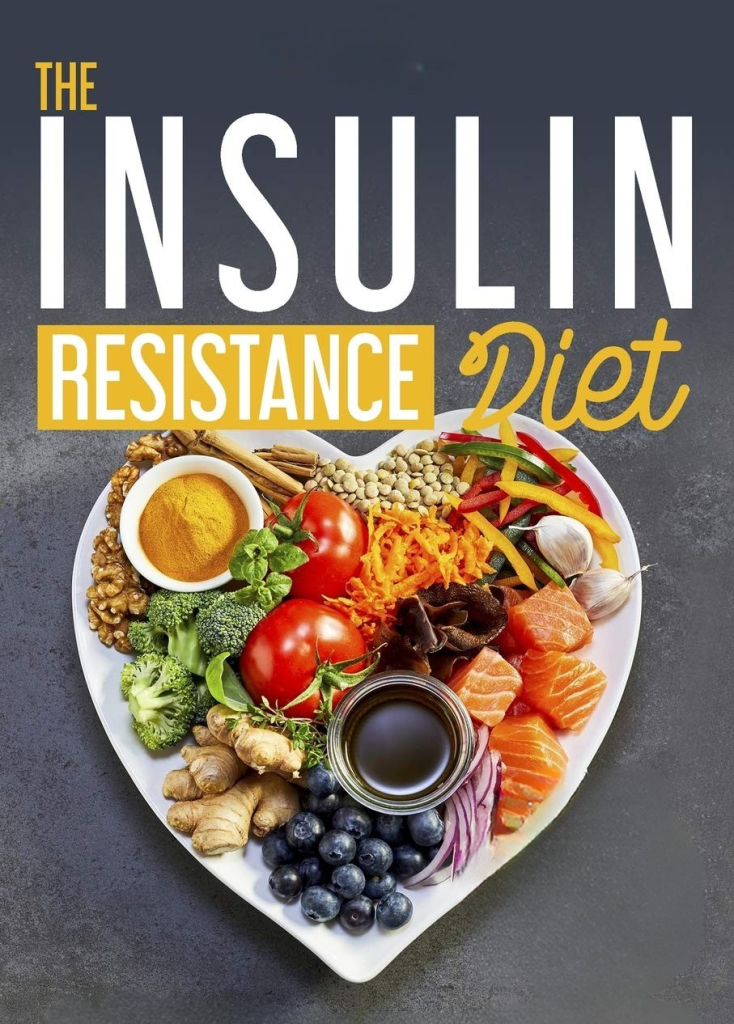
Insulin Resistance Diet: A Personalized and Sustainable Approach
Managing insulin resistance is not about following rigid diet charts but about understanding your body’s unique needs and building sustainable habits that improve overall health. Instead of quick fixes, focus on food choices that support your body’s ability to regulate blood sugar and enhance insulin sensitivity.
The Science Behind Insulin Resistance and How Diet Helps
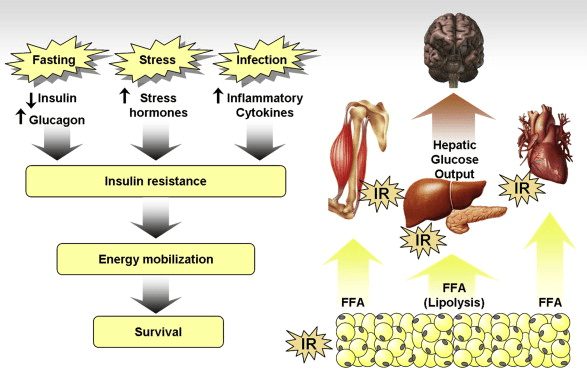
Insulin resistance happens when cells become less responsive to insulin, causing high blood sugar levels and increasing the risk of conditions like type 2 diabetes and heart disease. Here’s how a thoughtful dietary approach can make a difference:
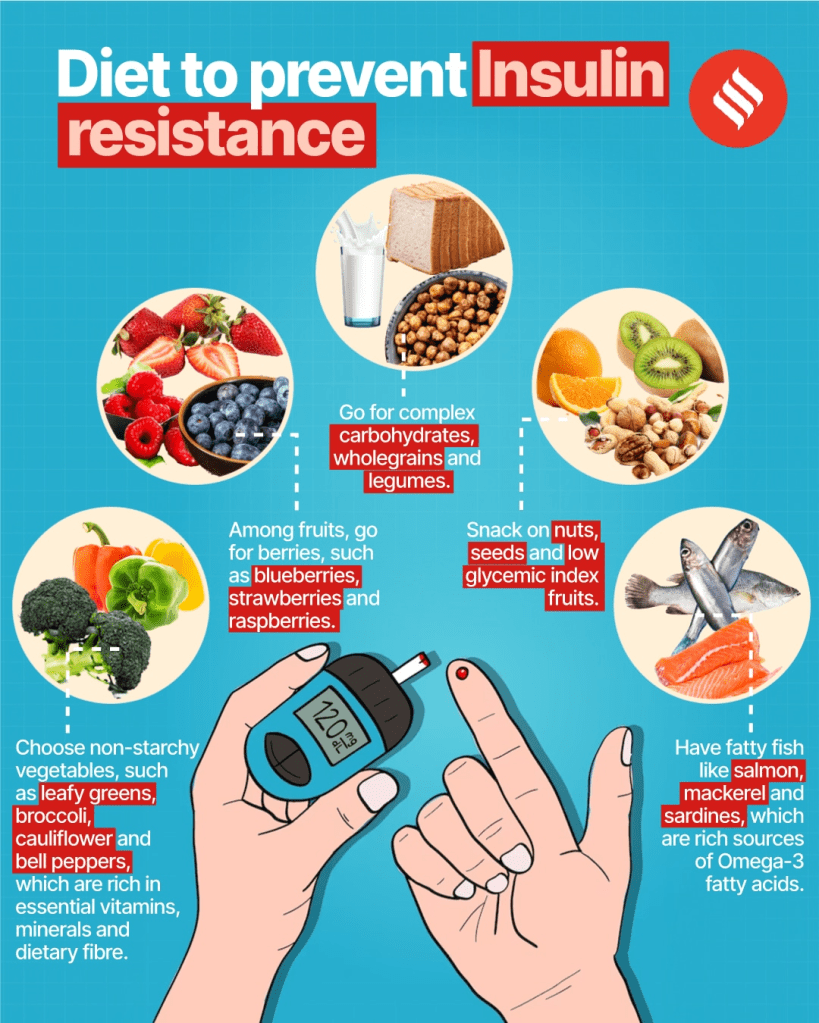
1. Regulates Blood Sugar: Including high-fiber and low-glycemic foods slows glucose release into the bloodstream, preventing spikes.
2. Reduces Inflammation: Anti-inflammatory foods enhance insulin signaling and improve metabolic health.
3. Supports Fat Loss: Reducing visceral fat through proper nutrition restores insulin sensitivity.
4. Stabilizes Energy: Balanced meals prevent excessive insulin secretion and energy crashes.
A Holistic Approach to Food Choices
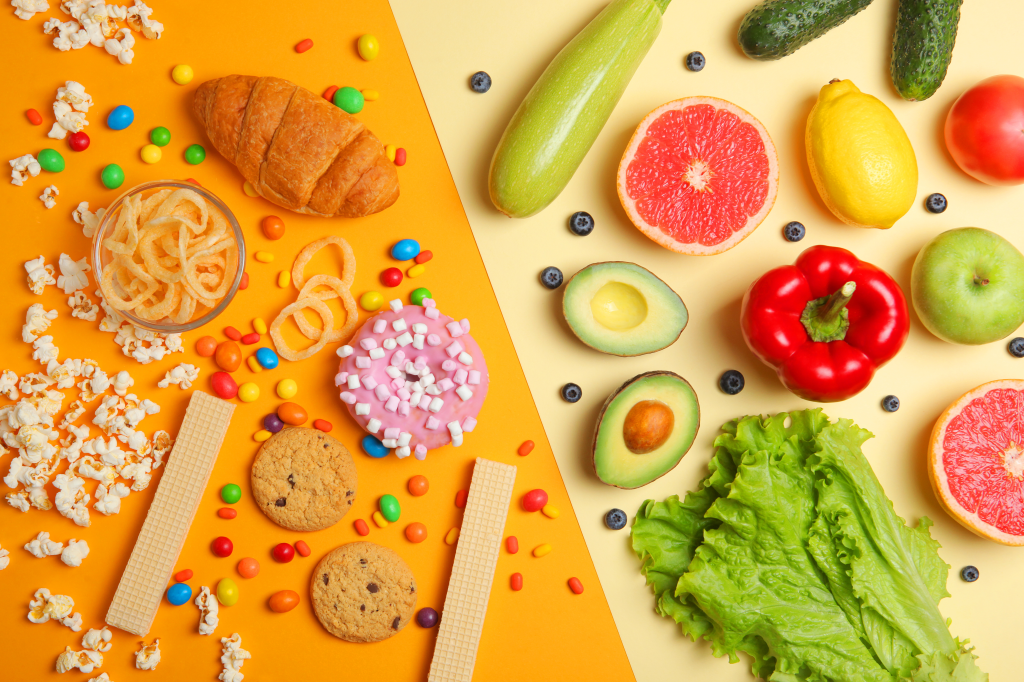
- Option for Whole Foods Over Processed Options
Focus on natural, nutrient-dense ingredients like whole grains, vegetables, legumes, and healthy fats, while limiting refined sugars, processed snacks, and fried foods.
Why It Matters: Whole foods provide fiber, vitamins, and antioxidants that regulate blood sugar and reduce insulin resistance.
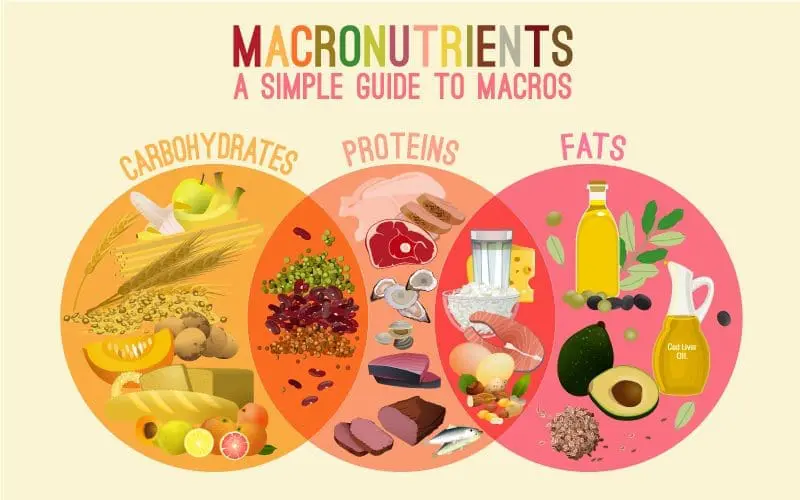
- Balance Macronutrients in Every Meal
Ensure each meal includes a combination of:
• Complex Carbohydrates: Such as millets, brown rice, or quinoa.
• Lean Proteins: Like lentils, eggs, paneer, or tofu.
• Healthy Fats: Found in nuts, seeds, or cold-pressed oils.
Impact on Insulin Sensitivity: Balancing macronutrients helps stabilize blood sugar and promotes long-term energy.
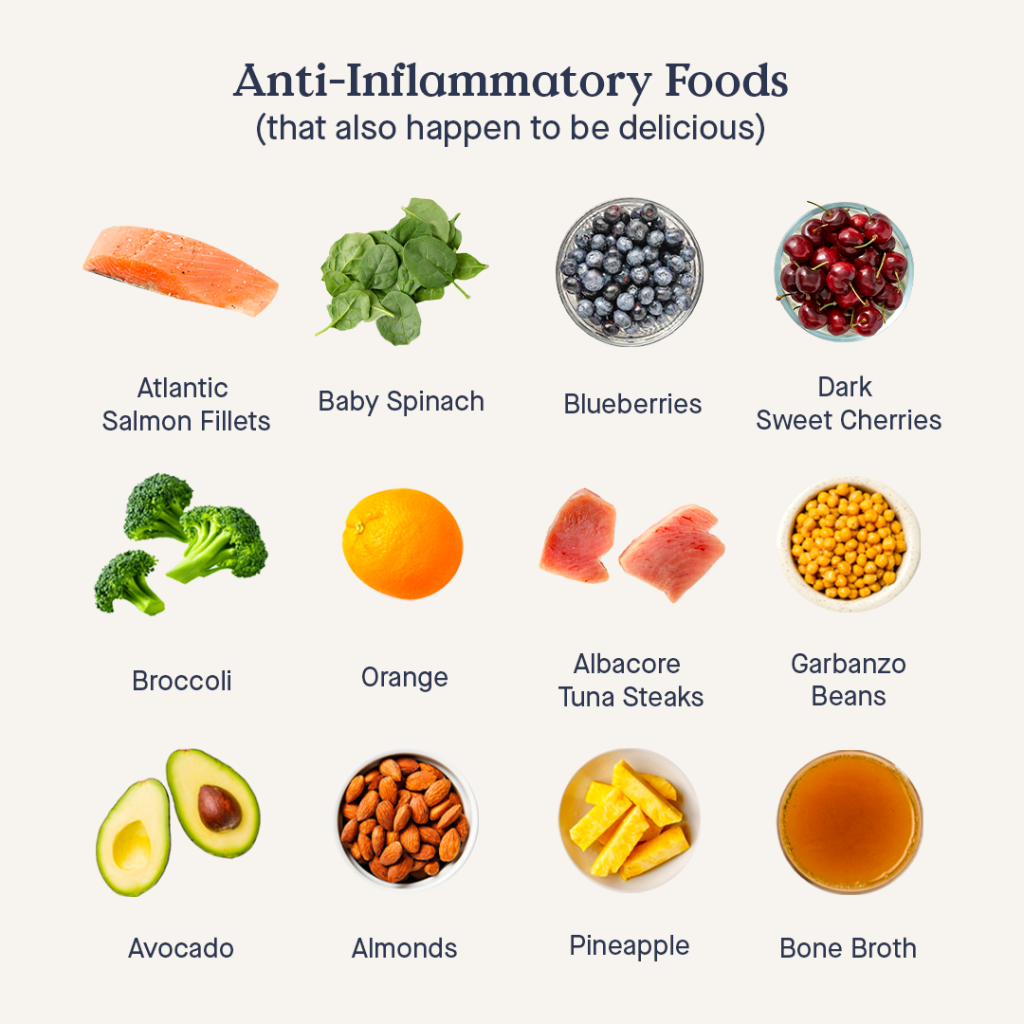
- Prioritize Anti-Inflammatory Foods
Incorporate foods known for their anti-inflammatory properties, such as turmeric, ginger, green tea, and omega-3-rich options like flaxseeds or walnuts.
The Science: Chronic inflammation disrupts insulin signaling. Anti-inflammatory foods can help repair this process
- Build Sustainable Habits
Instead of eliminating entire food groups or following a rigid diet, focus on small, sustainable changes like:
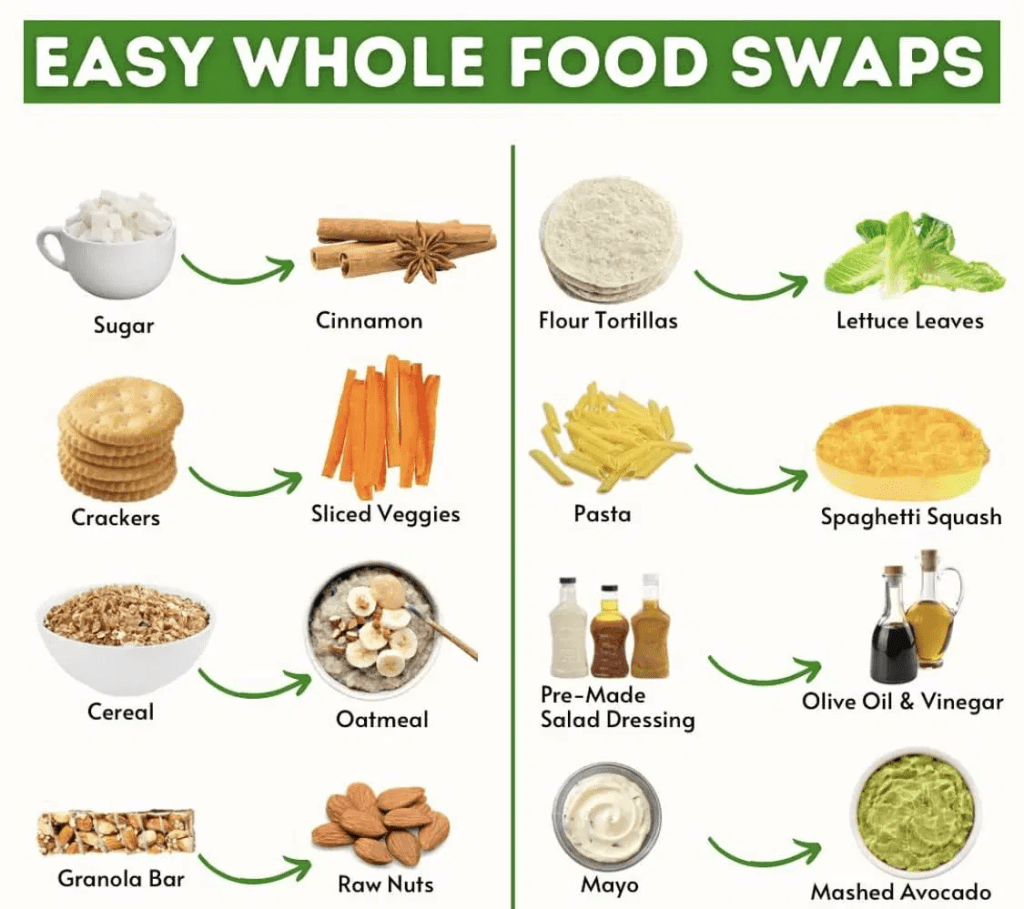
• Swapping refined carbs for whole grains.
• Adding vegetables to every meal.
• Including a protein source in your snacks.
Why It Works: Long-term changes are more effective in improving insulin sensitivity than temporary restrictions.
- Mindful Eating Over Restrictive Dieting
Listening to your body’s hunger and fullness cues is essential. This means eating when you’re hungry, stopping when you’re satisfied, and being mindful of portion sizes without obsessing over calories.
The Key: Mindful eating helps you enjoy food, reduce overeating, and make thoughtful choices that support your health.
How I Can Help You
If you’re struggling with insulin resistance or feel overwhelmed by conflicting dietary advice, I provide personalized guidance tailored to your specific needs. By understanding your unique body, lifestyle, and preferences, I help you:
1. Build sustainable habits around what your body truly needs.
2. Learn how to balance your meals without feeling deprived.
3. Improve insulin sensitivity through a holistic, habit-based approach rather than quick fixes.
4. Create a positive, long-term relationship with food and your body.
Empowering you to live a healthier life starts with understanding your needs, not following trends. Let’s work together to create a sustainable, personalized approach to improving your health and managing insulin resistance.
Your journey to health starts here
 Chubby to Chiseled