
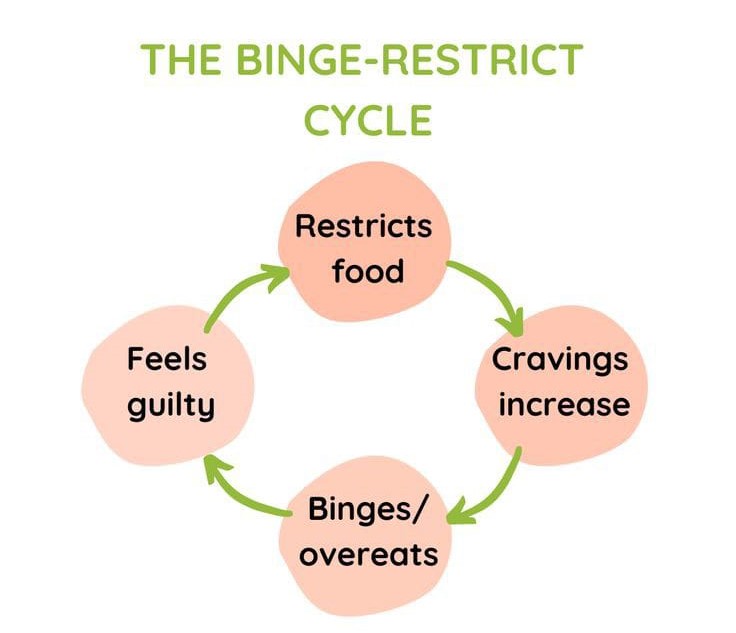
In the world of today, where dieting trends and fitness culture are present, many are stuck within a vicious cycle of guilt around food and eating habits. As a nutritionist, it is my goal to free people from this cycle and give them a healthier relationship with food. Below, I discuss how we can focus on the five main aspects of the guilt cycle and break into a new positive approach to eating.
Understanding the Guilt Cycle
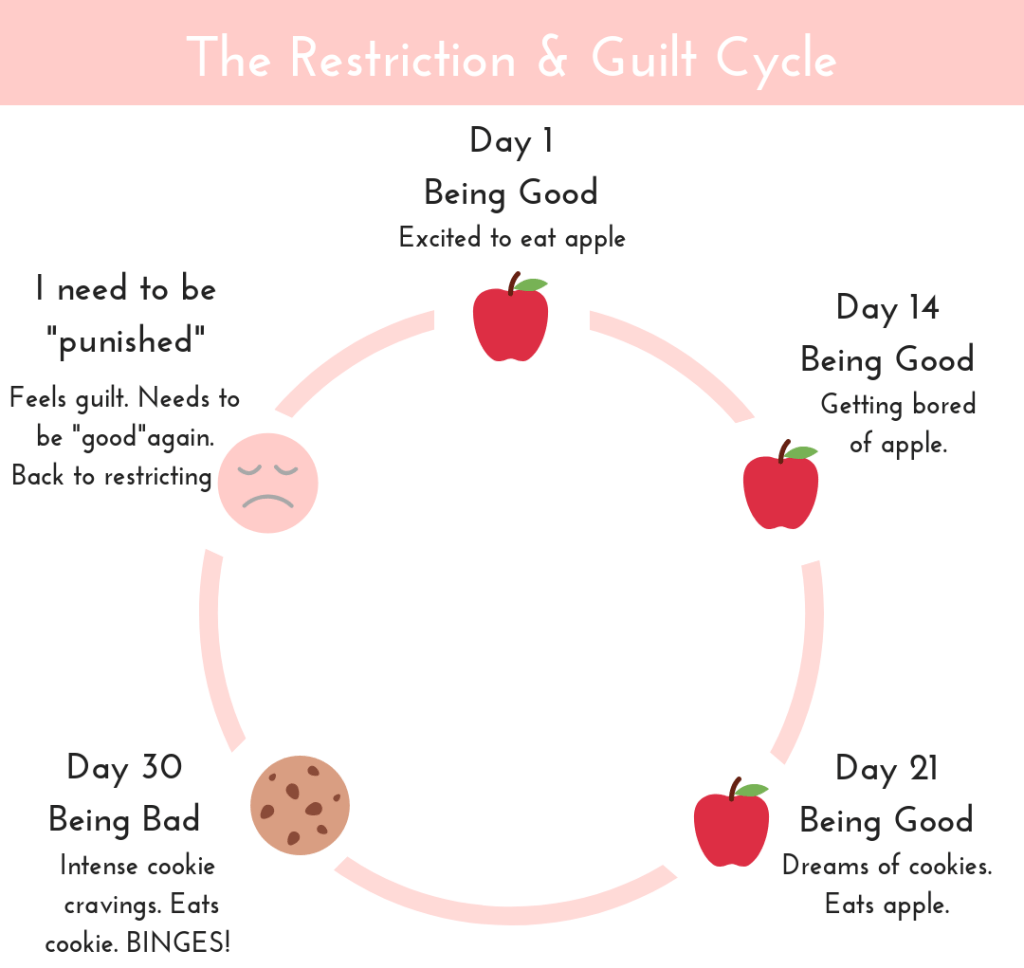
The guilt cycle often begins when people eat foods they view as ”unhealthy,” triggering feelings of guilt, shame, or regret. For example, indulging in a chocolate bar or a greasy meal might seem like a minor act, but it can lead to a cascade of negative emotions and thoughts. The cycle escalates, as people attempt to make up for this perceived “mistake” by further restricting their food intake or over-exercising. Alas, this pattern plays out in a counterproductive manner because the limitation can cause one to be hungry or deprived, which might later trigger another binge or indulgence, setting the cycle of guilt afresh. It is important to note that food is neither good nor bad in its nature. Getting rid of all the moral connotations associated with food makes it possible to eliminate guilt in its entirety. Instead of having food as an exercise for one’s will, we can relate to it in terms of its nourishment potential for the body as well as for the mind.
Diet Culture Guilt
Diet culture thrives on the idea that certain foods should be restricted or eliminated from our diets to achieve a specific body type or health goal. This leads to the demonization of perfectly normal foods, such as bread, pizza, or desserts. Diet culture often promotes a “win-lose” mentality where eating a “bad” food means failing, further reinforcing negative feelings toward eating.
Plus, fashion diets like the low-carb or intermittent fasting dieting style establish a kind of rigidity that makes people feel uncomfortable to achieve a balance between flexibility and a greedy desire. In return, when a person fails to follow the diet, feelings of guilt, shame, even self-hate result in such approaches.
As a nutritionist, it’s important to get people out of these narrow mindsets and into a more holistic view of health. Helping them break free from diet culture’s damaging influence by promoting balanced eating that includes a wide range of foods, but focuses on moderation, not restriction, can be very empowering. Educating clients about the science behind nutrition and the body’s actual needs helps them make informed, empowering decisions about food.

Intuitive Eating
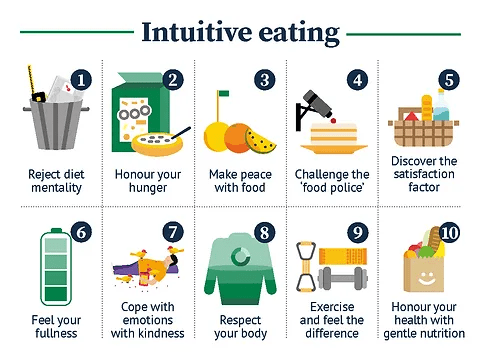
It gives freedom from rigid food rules and constant calorie or macro tracking. People who practice intuitive eating no longer feel held down by diet plans or what others say about when to eat or what to eat. They learn to trust their bodies to let them know what and how much to eat. This practice involves several key principles, such as respecting hunger and fullness cues, rejecting the diet mentality, and embracing the idea that all foods can fit into a balanced, health-conscious diet. It helps individuals move away from the cycle of overeating due to deprivation or emotional triggers, which often leads to binge eating and guilt. The research indicates that these persons who implement intuitive eating eventually succeed in acquiring an ideal body weight without any struggle and tension commonly associated with other diet plans. This mental perspective not only results in the enhancement of eating with food, but it will further promote healthier long-term sustenance that is not regulated and deprived.
Reformulate Cheater Meals
The concept of “cheat meals” is rampant in diet culture, but foods are seen as “forbidden” or part of a “cheating” episode. It makes a negative association with eating, reinforcing the idea that some foods are to be avoided at all costs and that if consumed, must be “earned” or “paid for” through extra workouts or restrictive eating the next day.
This mentality feeds into the guilt cycle, making the act of eating the most decadent meal feel full of guilt. Food, however, is not something to be treated as reward or punishment.
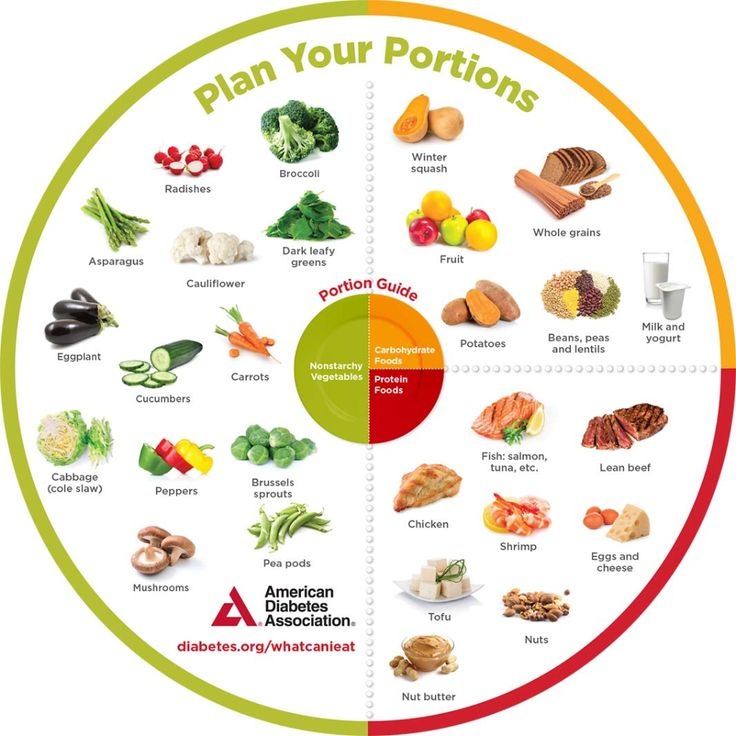
It is what fuels the body; every healthy meal, regardless of its indulgence level, can fit into a balanced healthy lifestyle. Instead of labeling meals as “cheat” or “good,” we can shift our thinking to “satisfying” and “nourishing,” making room for enjoyment while still prioritizing overall health. Instead of cutting back on a certain food, try to think about it as an integral part of a balanced eating plan, which will promote enjoyment without guilt. That positive reframing encourages eating in moderation and encourages a more lenient and balanced mindset, thus making healthier choices easier to maintain long-term.
Create a Positive Association with Food
Building a healthy relationship with food starts with a shift away from using eating as a moral issue. We are not made to feel like food is the one thing that makes us a “failure” or a “success,” but rather health, in and of itself, is not decided by one meal, but by habits and choices accumulated over long periods.
One strategy to develop this positive mentality is to mindfully and grateful eat at meal times. Making the effort to appreciate the food on your plate-for its efforts, thought, and nourishment-helps change perspective. No longer stress and guilty activities are food but pleasure and energy.
The other thing is to focus on self-compassion. If we make not-so-great choices, we should not punish ourselves with negative self-talk. Instead, we should treat ourselves with kindness and forgiveness, as we would a friend who made the same mistake. This shift in mindset is crucial for developing a long-term, healthy relationship with food.
Encouraging clients to recognize their emotional triggers around eating and separate emotions from food helps them gain control and freedom from the guilt cycle. Cultivating a nurturing relationship with both food and oneself allows individuals to take away the shame and guilt associated with eating, which leads eventually to a more sustainable and enjoyable eating pattern.
Your journey to health starts here
 Chubby to Chiseled