
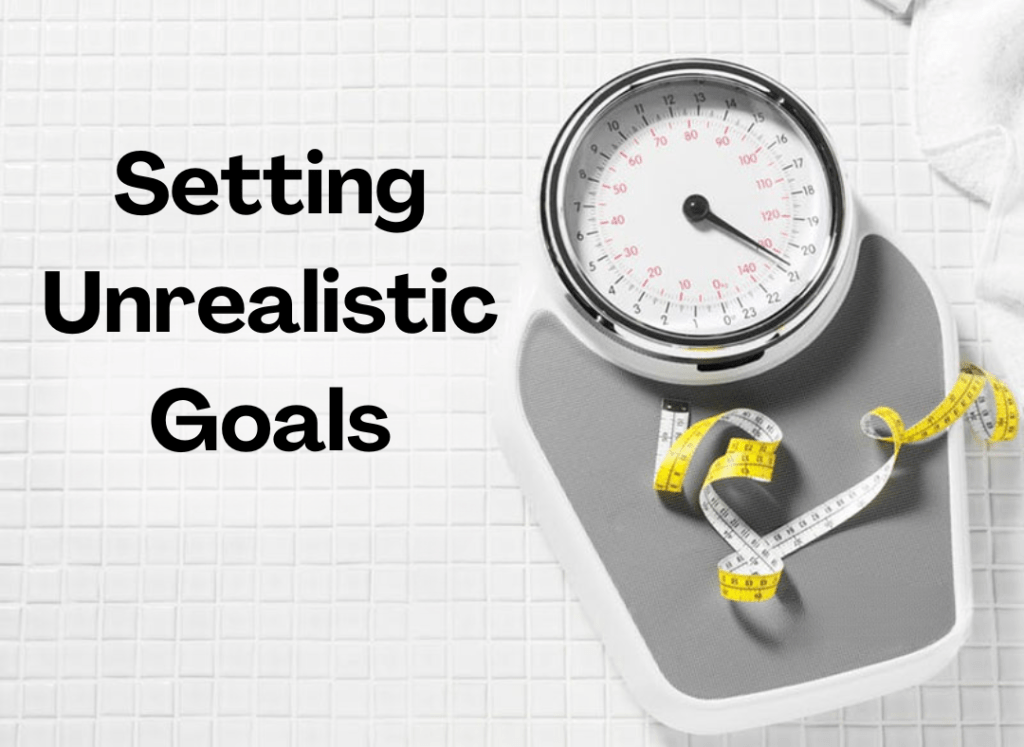
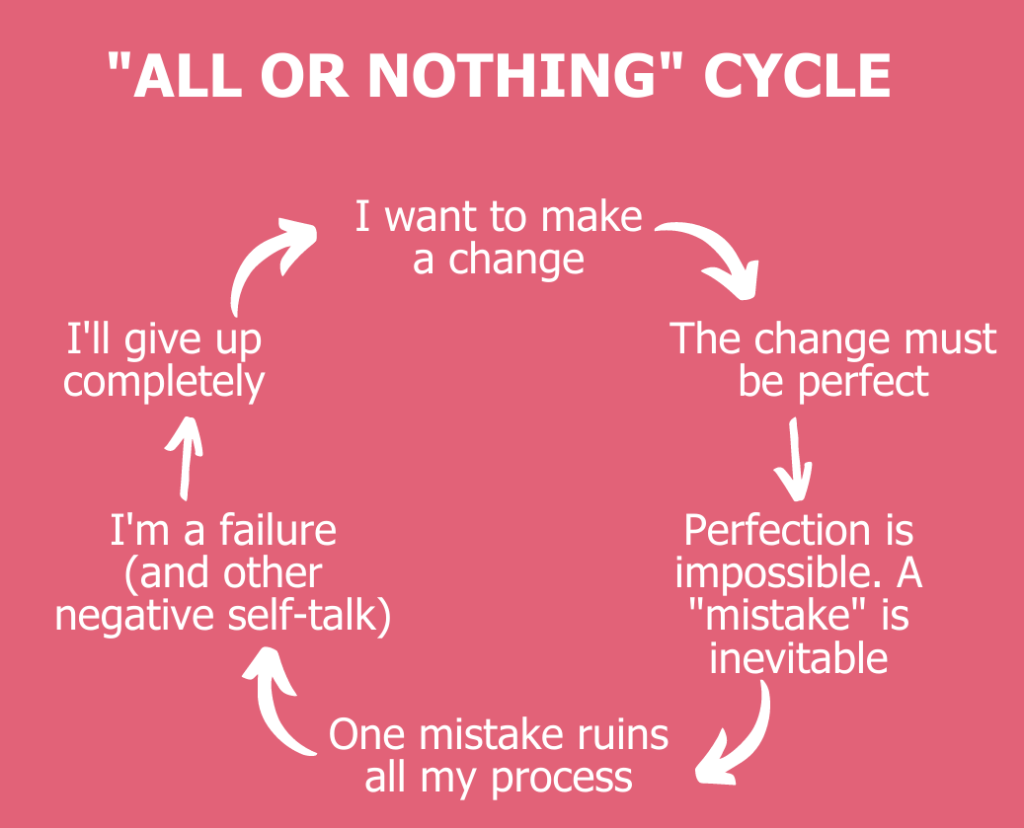
The All-or-Nothing Mindset
a) Extreme Dieting
The mentality is very common among people, who set goals that are too drastic, such as cutting out carbs or fats completely. Such extreme measures are often unsustainable and can lead to nutrient deficiencies.
b) Fear of Failure
Some people have strict diet programs with no flexibility at all. Just a slight deviation makes them feel like they have totally failed and may even give up on healthy eating completely.
c) Influence from Social Media
Using someone with an impossible body shape to compare oneself creates pressure to eat very fit diets, most of which are scientifically unfounded.
No Right Planning
a) No Right Plan for Meals
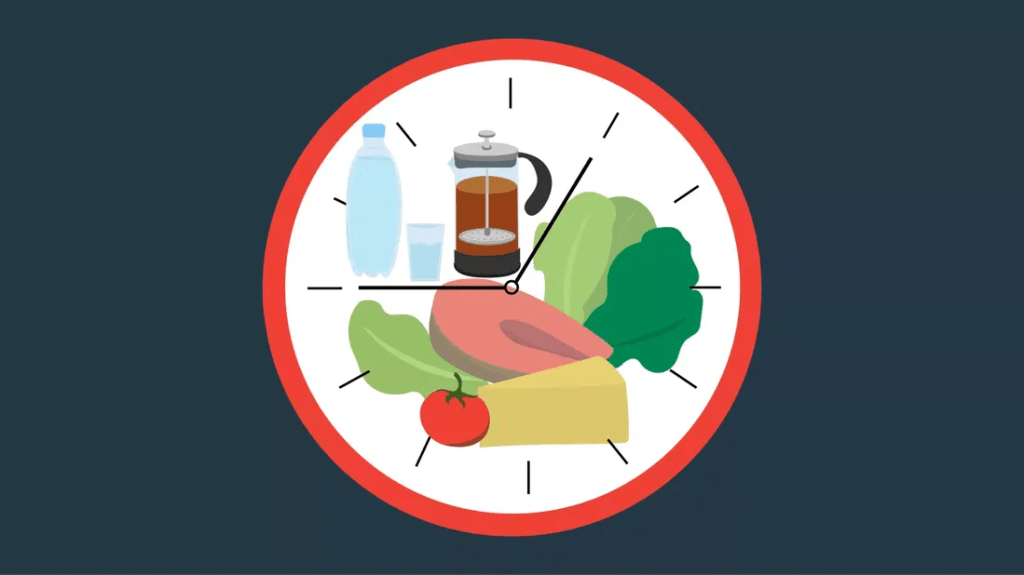
This usually results in inconsistency when working towards achieving a nutrition goal if one does not have a structured meal plan. Proper planning can prevent having unhealthy food.
b) Failure to Observe Portion Size
It may impact negatively and not help to move an individual forward since overconsumption of healthy foods is still surmountable to be on the gaining scale.
c) Lack of Adequate Hydration
Many people forget the role of hydration in a balanced diet. Drinking enough water is essential for digestion, metabolism, and overall well-being
Underestimating Time and Resources
a) Unrealistic Weight Loss Timelines
The expectation of losing significant weight in a short period without considering metabolic rate and lifestyle factors can be discouraging and unhealthy.
b) Overlooking Nutrient Needs
People tend to exclude entire food groups without realizing the significance of balanced nutrition. Removing essential macronutrients can cause deficiencies.
c) Lack of Consideration for Lifestyle Restrictions
Busy schedules, travel, and social events will affect food choice. A nutrition plan should be versatile enough to address real-life conditions.
Emotional and Psychological Impact
a) Increased Stress and Anxiety
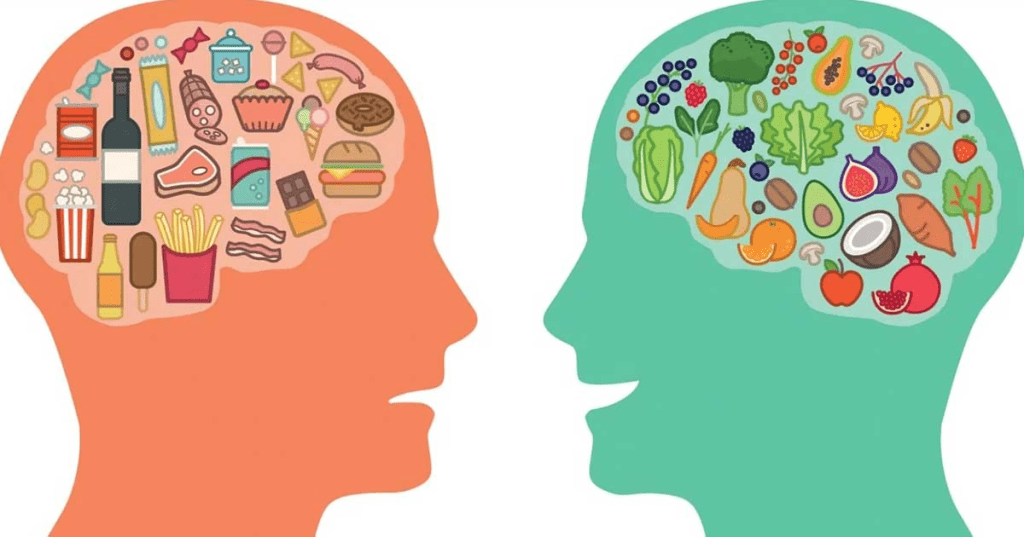
Unrealistic dieting causes stress and anxiety, making it hard to maintain the principles of healthy food consumption.
b) Loss of Self-Esteem
Failure to achieve an overambitious goal in nutrition can cause frustration and negativity toward self, leading to a horrible well-being.
c) Binge and Emotional Eating
Restrictive diets are typically laced with cravings that might cause binge eating. A good relation with food is very essential for long-term success.
How to Set Realistic Nutrition Goals Instead
a) Use the SMART Goal Method
- Specific: Define specific changes in diet, such as vegetable intake.
- Measurable: Track portion sizes and meal frequency.
- Achievable: Set realistic targets based on lifestyle.
- Relevant: Align nutrition goals with health objectives.
- Time-bound: Set a feasible timeline for gradual progress.
b) Prioritize Balanced Nutrition
Instead of extreme dieting, there should be balanced intake of proteins, carbohydrates, fats, vitamins, and minerals.
c) Consult with a Nutritionist or Dietician
A long-term and individually tailored meal plan can be generated by consulting with a nutritionist or dietician.
d) Celebrate small victories
Positive reinforcement of a person’s continued home-cooked meals or their reduction in sugar intake keeps him motivated.
e) Be flexible to change
As lifestyle changes require adjustments in the goals, they ensure long-term success without stressful conditions.

Nutrition goals are important to health and well-being, but they must be realistic and achievable. Unrealistic diet plans create stress, burnout, and disappointment. Healthy nutrition is obtained by focusing on balanced nutrition, gradual progress, and flexibility in achieving long-term health benefits.
Your journey to health starts here
 Chubby to Chiseled