
Inflammation is the body’s inherent defense system against injury, infection, or noxious stimuli. Although acute inflammation is required for healing and adaptation, chronic inflammation may be responsible for many diseases, such as cardiovascular diseases, diabetes, and some cancers. It is crucial to appreciate the complex relationship between inflammation and exercise nutrition to maximize health, improve athletic performance, and provide efficient recovery.
The Role of Inflammation in Exercise
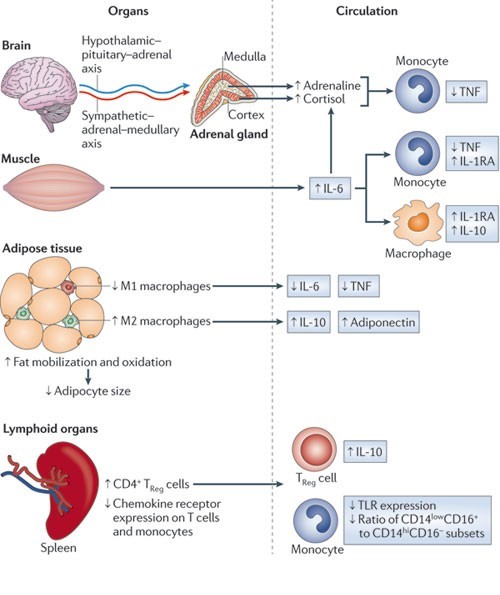
Physical activity causes a transient inflammatory response as the body attempts to repair muscle fibers and acclimate to higher workloads. This acute inflammation is positive, resulting in muscle growth, increased strength, and increased endurance. Inadequate recovery, excessive training without adequate nutrition, or overtraining, however, can convert this positive response to chronic inflammation. Chronic inflammation can compromise performance, enhance the risk of injury, and result in extended recovery times. Thus, it is important to balance training intensity with proper rest and nutrition to tap into the beneficial effects of inflammation while reducing possible adverse effects.
Anti-Inflammatory Foods and Their Benefits
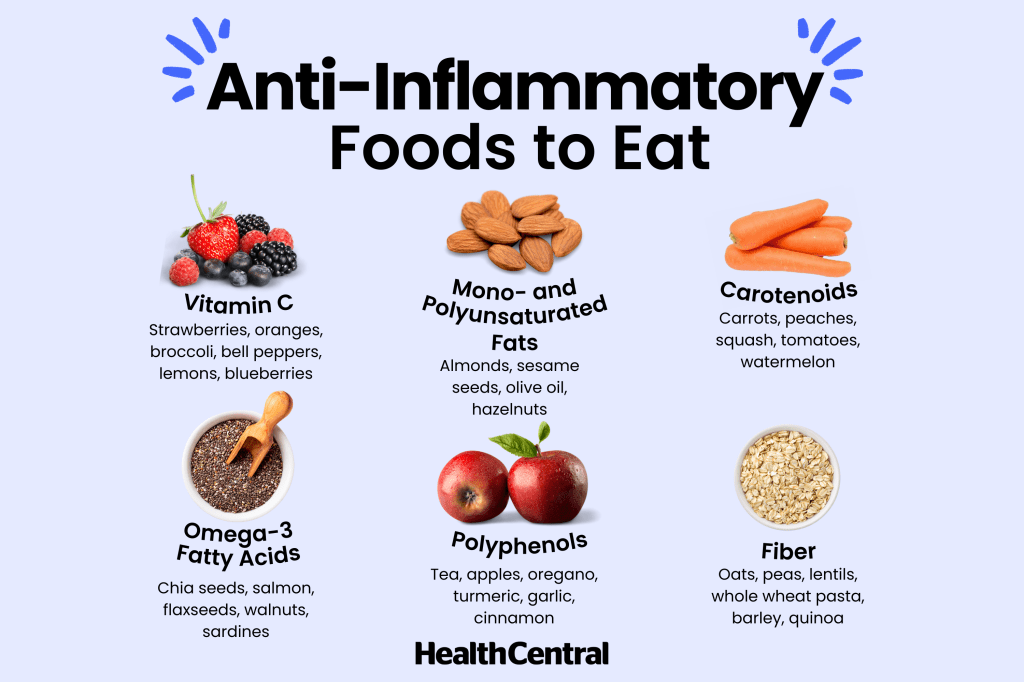
Diet is a crucial factor in controlling inflammation, particularly for athletes. Adding anti-inflammatory foods can help in recovery, minimize muscle soreness, and enhance overall well-being. Some of the most important foods are:
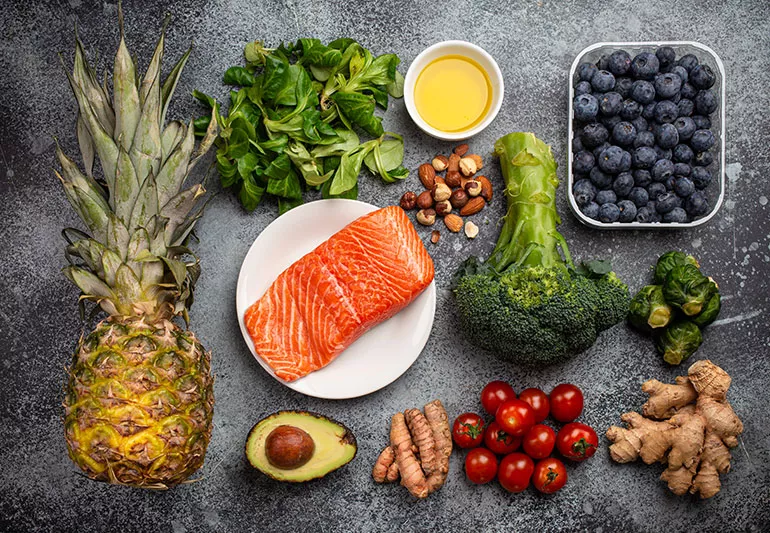
- Fruits and Vegetables: They are full of antioxidants and phytochemicals that fight oxidative stress and inflammation. Berries like blueberries and strawberries, and leafy greens like spinach and kale, are especially beneficial.
- Healthy Fats: Omega-3 fatty acids, present in fatty fish such as salmon, mackerel, and sardines, and also in flaxseeds and chia seeds, have strong anti-inflammatory effects. Consuming them on a regular basis can reduce exercise-induced inflammation and help maintain heart health.
- Whole Grains: Brown rice, quinoa, and oats contain fiber and nutrients that help lower inflammation and promote digestive health.
- Nuts and Seeds: Almonds, walnuts, and seeds like flaxseeds and chia seeds provide healthy fats, protein, and antioxidants that have anti-inflammatory benefits.
- Spices: Turmeric has curcumin, a substance with powerful anti-inflammatory effects. In the same vein, ginger has been proven to alleviate muscle pain and soreness because of its anti-inflammatory qualities.
Following a diet high in these foods can facilitate recovery, enhance immune function, and promote overall health.
Foods That Can Possibly Foster Inflammation
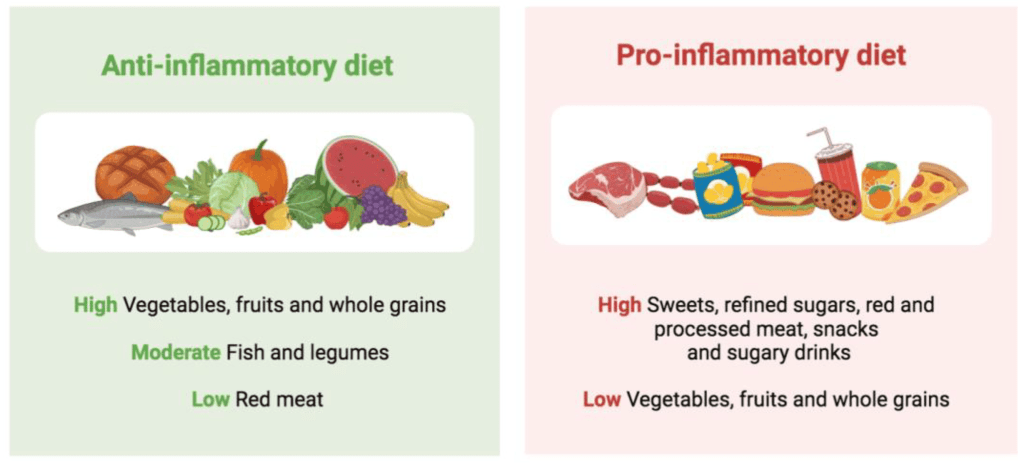
Some foods can contribute to inflammation and should be restricted, particularly in individuals who are active on a regular basis:
- Processed Foods: Foods that are rich in trans fats, added sugars, and preservatives can initiate inflammatory pathways. Consumption of processed snacks, fast food, and pastries on a regular basis may contribute to greater inflammation and adverse effects on recovery.
- Sugary Drinks: High-sugar drinks like sodas and energy drinks are known to create quick increases in blood sugar levels, which results in higher inflammatory markers.
- Refined Carbs: White bread, pastries, and other refined grains have no fiber and nutrients, leading to inflammation and poor digestive health.
- Excessive Alcohol Consumption: Heavy alcohol consumption is known to destroy gut health, inhibit nutrient absorption, and elevate inflammation.
Restricting these foods is critical to supporting an anti-inflammatory state, aiding recovery, and overall health.
Pre- and Post-Workout Nutrition for Controlling Inflammation
Timing meals around workouts can have a significant impact on inflammation and recovery:
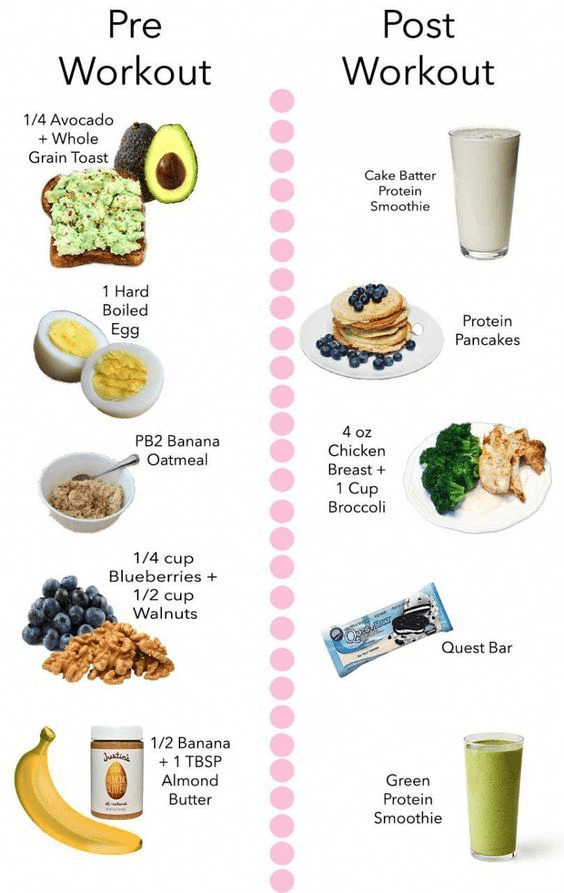
- Pre-Workout: Eating readily digestible carbs and lean proteins gives the body the energy it needs for exercise while reducing muscle breakdown. Adding anti-inflammatory foods such as berries or a small amount of nuts can prepare the body to better deal with exercise stress.
- Post-Workout: Refueling energy stores and fixing muscles is imperative after working out. Pairing protein with carbs, paired with anti-inflammatory foods such as fatty fish or a turmeric-spiced smoothie, will accelerate recovery, mitigate muscle soreness, and build muscle synthesis.
Individualization of nutrition according to needs and the intensity of workout guarantees the best performance, recovery efficiency, and effective inflammatory management.
Anti-Inflammatory Supplements
Along with dietary measures, some supplements have been found to have anti-inflammatory effects that can help in recovery and overall well-being:
- Curcumin: Curcumin, which is obtained from turmeric, is a powerful anti-inflammatory agent. Its bioavailability is low, but combining it with piperine (black pepper) can increase absorption.
- Omega-3 Fatty Acids: Fish oil supplementation with EPA and DHA can help decrease inflammation and maintain joint health.
- Ginger Extract: Ginger supplements have been effective in alleviating muscle pain and soreness because of their anti-inflammatory nature.
- Boswellia Serrata: Commonly referred to as Indian frankincense, the herbal extract has been utilized for its anti-inflammatory effects, with a specific relief from joint pain.
Prior to adding supplements, it’s best to consult with a healthcare expert in order to ascertain that they are compatible with specific health requirements and would not clash with other medication.
Lifestyle Factors That Impact Inflammation
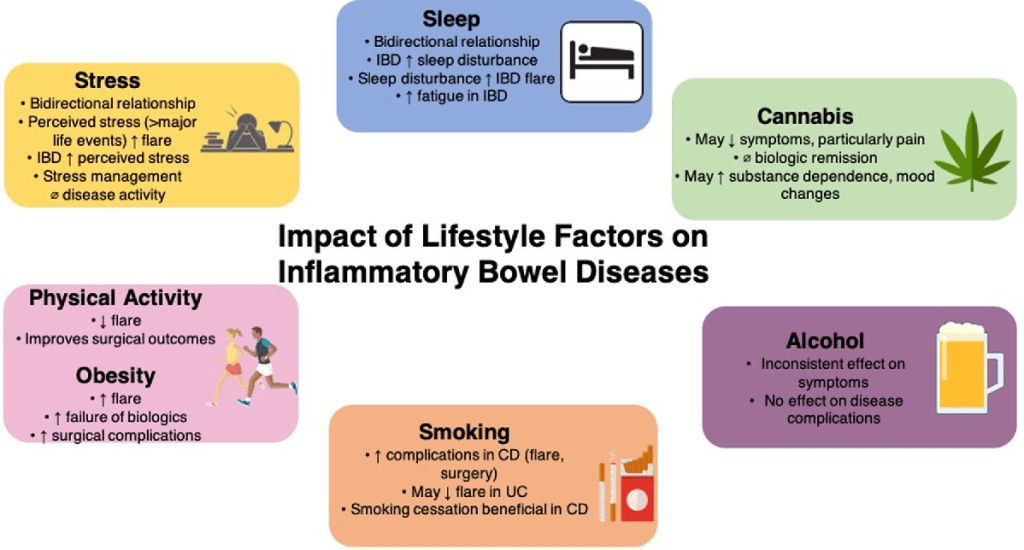
Aside from diet and physical activity, several other lifestyle choices have a powerful impact on inflammation:
- Adequate Rest: Poor sleep patterns or not sleeping enough can cause inflammatory markers to rise. Work towards 7-8 quality hours of restful sleep nightly to aid recovery and overall wellness.
- Managing Stress: Excessive stress feeds inflammation and negatively affects recovery. Adding stress management techniques like meditation, yoga, deep breathing exercises, or leisure activities to one’s daily life can prove beneficial.
- Hydration: Adequate fluid consumption facilitates metabolic functions, helps transport nutrients, and assists in maintaining body temperature, all of which are important in inflammation reduction.
- Stopping Smoking: Smoking is a major pro-inflammatory agent and comes with many health hazards. Smoking cessation can lower inflammation significantly and enhance overall well-being.
Studies have shown that inadequate sleep increases inflammatory markers like IL-6 and CRP, which can impair recovery and increase the risk of injuries (Irwin, 2019). To optimize sleep for muscle recovery and inflammation control, try these:
• Follow a Sleep Routine: Sleep at the same time daily to regulate circadian rhythm.
• Magnesium for Relaxation: Eat magnesium-rich foods like almonds and pumpkin seeds or take a supplement before bed.
• Avoid Blue Light Exposure: Reduce screen time 60 minutes before bedtime to support melatonin production.
• Post-Workout Wind-Down: Try herbal teas like chamomile or a turmeric latte to relax muscles and lower inflammation.”
(Reference: Irwin, M. R. (2019). Sleep and inflammation: partners in sickness and health. Nature Reviews Immunology, 19(11), 702-715.)
Your journey to health starts here
 Chubby to Chiseled