

Obtaining a healthy and well-toned physique isn’t just about gymming; it’s about energizing your body with the best foods. As much as exercises contribute to a wholesome physique, adequate nutrition acts as the strength that underlines your workouts and leads you toward your objectives productively. Without proper nutrient balance, your body will have a hard time functioning, rebuilding, and becoming stronger. Let’s explore six key areas of nutrition and exercise, with attention paid to how nutrition creates results.
Role of Nutrition in Fitness
Nutrition is essential in fitness as it delivers the energy and components necessary for muscle growth, stamina, and healing. Your body uses macronutrients—proteins, carbohydrates, and fats—to perform optimally, as well as micronutrients such as vitamins and minerals that promote overall health. Without adequate nutrition, your exercise may not be as effective, and you might feel tired, have slow muscle recovery, and perform poorly. Eating nutrient-rich foods like lean proteins, whole grains, healthy fats, and a variety of fruits and vegetables provides your body with the fuel it requires. Second, proper nutrition also aids in regulating hormones, strengthens the immune system, and speeds up metabolism, all of which contribute to improved fitness results.

Pre-Workout Nutrition: Energizing Your Body
The foods you consume prior to a workout can have a substantial effect on your performance, endurance, and stamina. A mixture of lean proteins and complex carbohydrates taken about 30 to 60 minutes before exercise will maintain energy levels during your session. Carbohydrates give a rapid and prolonged supply of energy, whereas protein maintains muscle function and avoids excessive breakdown. Suitable pre-workout meals are oatmeal with fruits, banana with peanut butter, whole-grain toast with eggs, or a protein smoothie with nuts and seeds. Proper hydration is also important, as dehydration can cause premature fatigue, decreased performance, and muscle cramps. Having a glass of water prior to working out and drinking water during your workout can keep you going and avoid dehydration issues.

Post-Workout Nutrition: Recovery and Growth
Post-workout nutrition is critical for the recovery of muscles, replenishment of glycogen, and overall growth. After a hard workout session, your body is in a condition where it requires the right nutrients to fix the minute muscle tears that occurred due to exercise. Eating a balanced meal with high protein and carbohydrate content within 30 to 45 minutes after exercise replenishes glycogen levels and repairs muscle. Protein foods like chicken breast, tofu, Greek yogurt, cottage cheese, or a high-protein shake can aid in muscle synthesis. Carbohydrates such as quinoa, brown rice, whole-wheat pasta, and fruits restore energy lost. Including healthy fats, like avocados, nuts, and olive oil, also helps to promote recovery by controlling inflammation. Skipping post-workout nutrition can result in dragging muscle soreness, lack of progress, and diminishing performance over time.

Hydration: The Unsung Hero
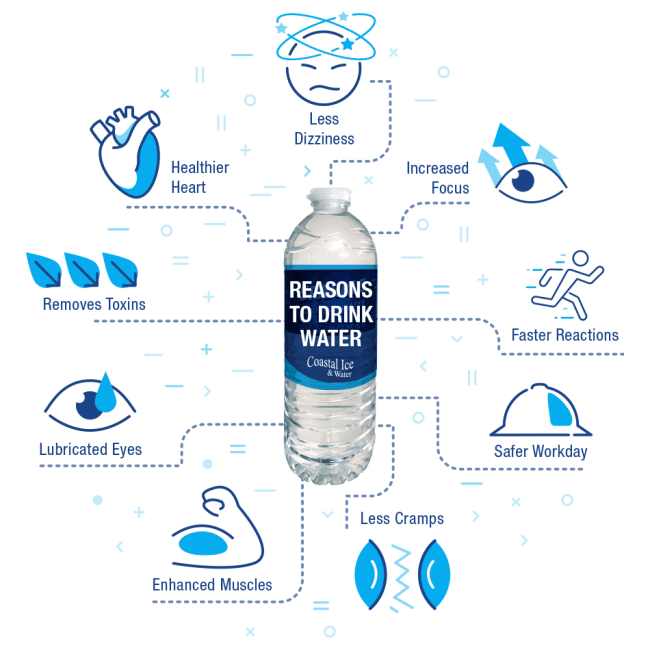
One of the most underappreciated but most vital components of fitness and wellness is water. Appropriate hydration controls body temperature, aids in digestion, carries vital nutrients, and oils joints. While exercising, your body loses a lot of water in the form of sweat, and this must be replaced for you to perform at your optimum level and avoid dehydration. It is advisable to drink a minimum of 8-10 glasses of water per day, and for high-intensity or extended exercises, electrolyte-containing beverages can replenish lost minerals like sodium, potassium, and magnesium. Dehydration may also contribute to cramping, lightheadedness, headache, and subpar exercise performance, so prioritizing water intake both before, during, and after exercise is extremely important. Aiding in proper metabolism, a healthy-looking skin, and all-around feeling good, it also helps provide continuous hydration.
Balanced Diet vs. Supplements
Where whole foods need to always take center stage with a nutritious diet, in certain situations supplements are able to assist in bridging the nutrient gaps. Most sports persons and fitness enthusiasts use supplements such as protein shakes, BCAAs (branched-chain amino acids), creatine, and multivitamins to optimize performance and aid in recovery. But what one should note is that supplements should never take the place of actual food. Whole foods have important fibers, antioxidants, and bioactive compounds that might not be found in supplements. Prior to adding any supplement to your regimen, it is best to consult a health expert to verify that they support your fitness needs and general health. Overreliance on supplements may create nutritional imbalances and unwanted side effects. An even diet that includes lean protein, complex carbs, healthy fats, and fruits and vegetables will always be the better choice compared to synthetic counterparts.
Effective Workout Strategies for Better Results

While nutrition is the building block of fitness, a good workout regimen is also necessary to supplement it for maximum benefits. A workout regimen must incorporate a combination of strength exercises, cardiovascular exercises, flexibility training, and rest periods to be at its best. Strength training increases muscle mass, raises metabolism, and enhances bone density, while cardio activities like running, cycling, and swimming improve heart health and stamina. Flexibility exercises and stretching exercises such as yoga or dynamic stretching enhance mobility, reduce injury, and assist in muscle recovery. Rest and recovery days should also be included in your regimen to avoid burnout and minimize the risk of injury. Muscle fatigue, compromised immunity, and decreased performance can result from overtraining without proper rest. Proper nutrition and a balanced exercise program guarantee long-term success and maintainable fitness gains.
While nutrition is the building block of fitness, a good workout regimen is also necessary to supplement it for maximum benefits. A workout regimen must incorporate a combination of strength exercises, cardiovascular exercises, flexibility training, and rest periods to be at its best. Strength training increases muscle mass, raises metabolism, and enhances bone density, while cardio activities like running, cycling, and swimming improve heart health and stamina. Flexibility exercises and stretching exercises such as yoga or dynamic stretching enhance mobility, reduce injury, and assist in muscle recovery. Rest and recovery days should also be included in your regimen to avoid burnout and minimize the risk of injury. Muscle fatigue, compromised immunity, and decreased performance can result from overtraining without proper rest. Proper nutrition and a balanced exercise program guarantee long-term success and maintainable fitness gains.
Your journey to health starts here
 Chubby to Chiseled