
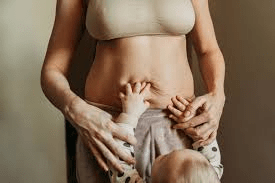
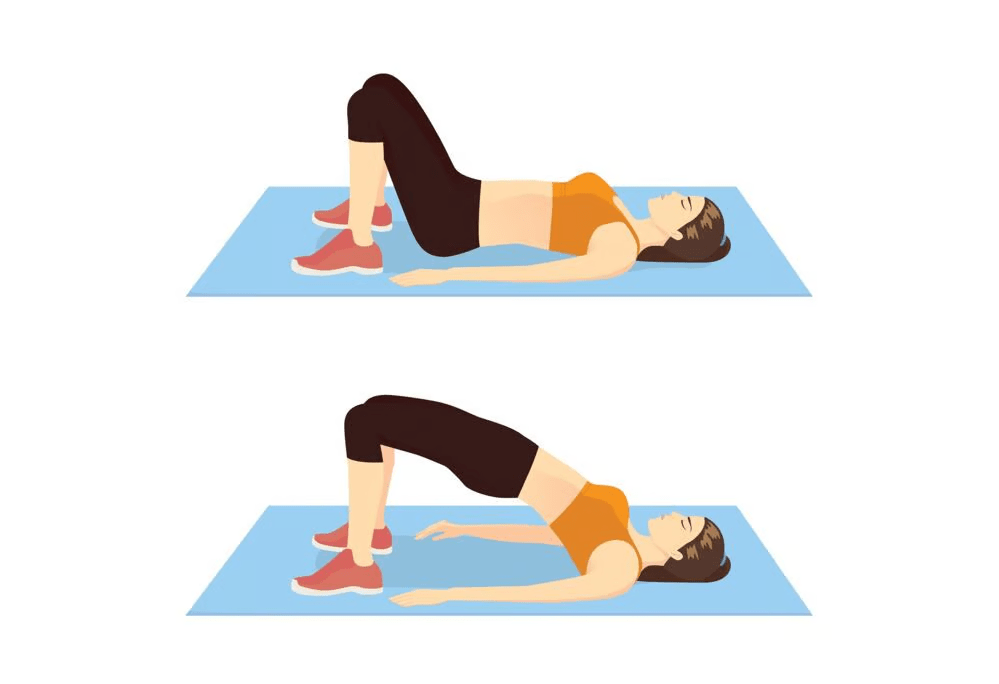
Safe Post-C-Section Exercises
Doing the right exercises after C-section is important for recovery and a gradual weight reduction. It is important to steer clear of high-impact exercises at first and concentrate on soothing movements that facilitate healing. Always talk to your health care provider prior to embarking upon any exercise program.
Recommended Exercises:
Belly Breathing: Activates the core muscles. Sit comfortably, take a deep breath, letting your belly expand, and exhale slowly, pulling your belly button towards your spine.
Seated Kegels: Contracts and relaxes pelvic floor muscles while seated to strengthen them. This helps in bladder control and stability of the core.
Wall Sits: Stand with back against the wall, slide down into seated position, and hold. This stabilizes the lower body without overworking the abdomen.
The Bump
Leg Slides: Lie on your back with bent knees. Gradually slide one leg out straight and back to beginning position. This activates the core lightly.
Scar Massage: After healing of the incision, gentle massage can be done to prevent adhesions and enhance mobility.
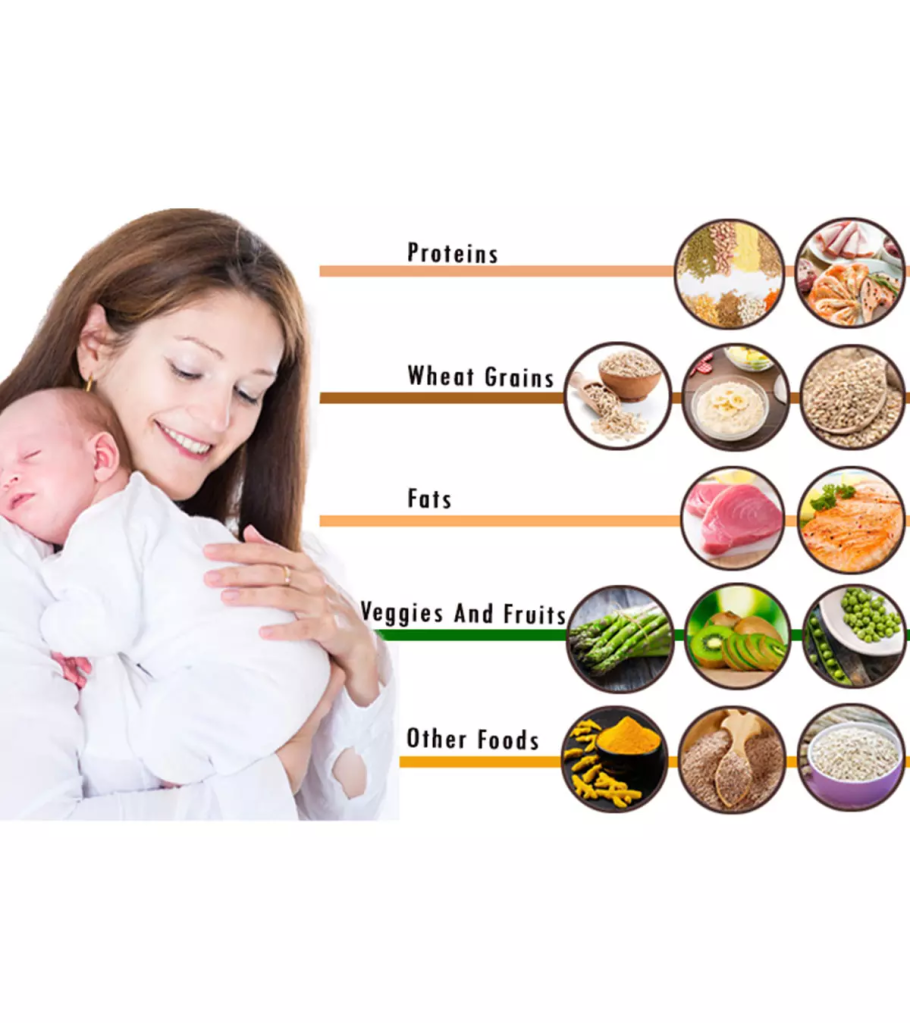
Diet and Nutrition After Giving Birth
It is essential to have a balanced diet for recovery and to facilitate weight loss following a C-section. A diet centered around nutrient-dense foods can help recover and give one energy.
Main Nutritional Emphasis:
Protein Foods: Necessary for repairing tissues. Eat lean meats, eggs, dairy, legumes, and nuts.
Iron Foods: To replace blood lost during surgery, eat spinach, lentils, red meat, and iron-fortified cereals.
Fiber and Hydration: Avoid constipation by consuming whole grains, fruits, vegetables, and plenty of water.
Whole Grains: Supply long-lasting energy. Use brown rice, oats, and whole wheat foods.
Avoid processed foods and sweet snacks, as they provide minimal nutritional benefits and can sabotage weight loss.
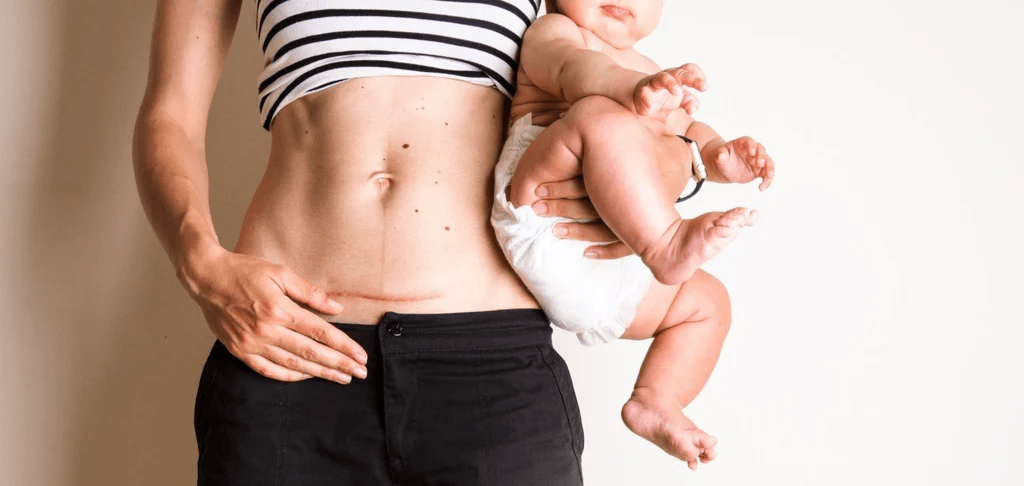
Knowing the C-Section Pooch and Diastasis Recti
After a C-section, most women experience a stubborn belly bulge, commonly referred to as the “C-section pooch.” This may be due to:
Uterine Involution: The uterus retrains to its pre-pregnancy size in approximately 4-6 weeks.
Diastasis Recti: Abdominal muscle separation during pregnancy, resulting in a protruding belly.
Treating Diastasis Recti:
Gentle Core Exercises: Practice movements that engage the transverse abdominis without straining.
Avoid High-Impact Ab Workouts: Sit-ups and crunches can worsen the condition.
Cleveland Clinic
Consult a Physical Therapist: They can offer personalized exercises to close the muscle gap.
Breastfeeding’s Role in Weight Loss
Breastfeeding can assist in postpartum weight loss through burning extra calories. Yet, it is necessary to go about this naturally and not as a main method of weight loss.
Considerations:
Caloric Needs: Lactating mothers need an additional 300-500 calories per day. Concentrate on nutrient-rich foods.
EatingWell
Hydration: Increase fluid intake to promote milk supply and overall well-being.
Gradual Weight Loss: Lose weight at a slow, steady rate so it won’t affect milk supply.
Emotional Well-being and Mental Health
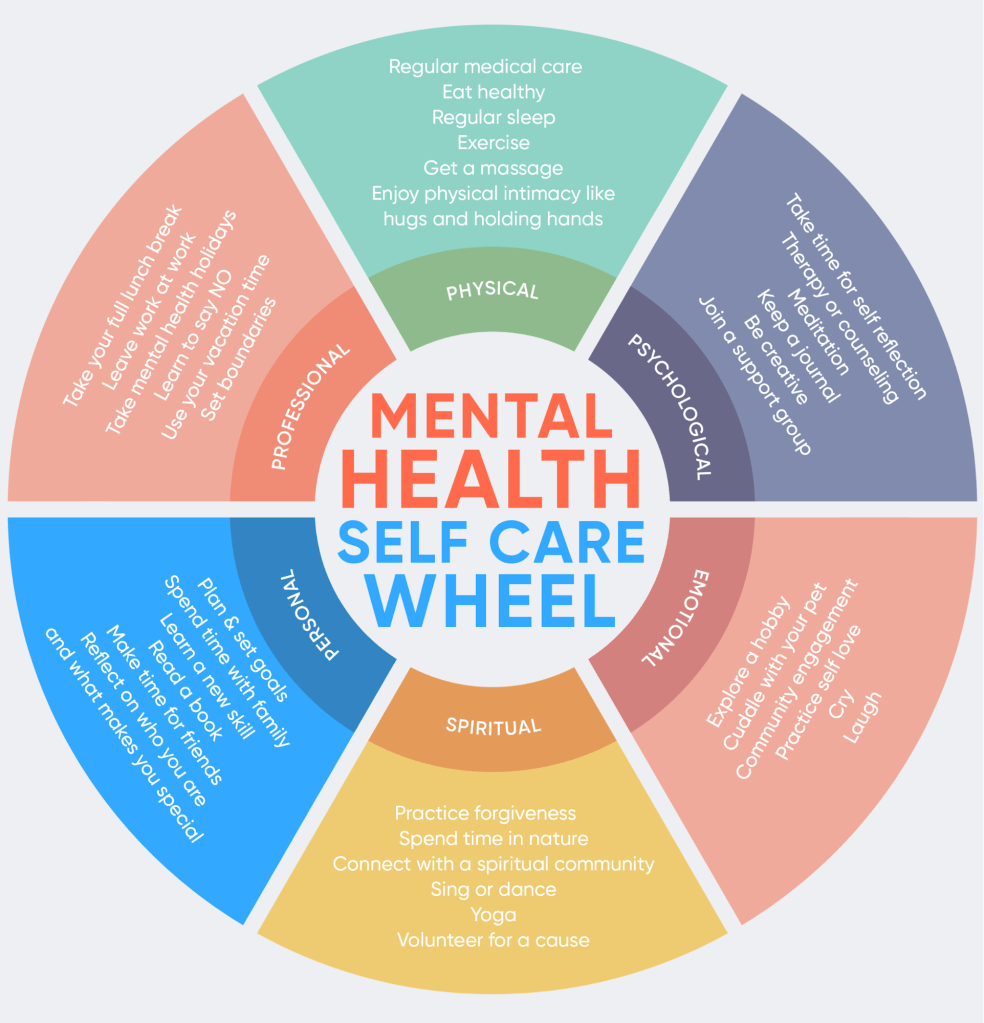
Postpartum life can be emotionally difficult. Mental health plays an important role in overall well-being and weight loss.
Emotional Well-being Strategies:
Seek Support: Speak with friends, family, or attend support groups to talk about feelings and experiences.
Professional Help: If persistent feelings of sadness or anxiety, seek a mental health professional.
Self-Care: Make time for things you like, while also tending to your own well-being.
Mindfulness Practices: Practice meditation or deep breathing to limit stress.
Please remember, it is helpful to be kind and patient with yourself throughout the transition.
This manual seeks to offer a holistic solution to C-section weight loss, focusing on physical healing, diet, emotional health, and patience. Consult healthcare professionals prior to making considerable changes to your regimen.
Your journey to health starts here
 Chubby to Chiseled